The Growing Tension Between the U.S. and China
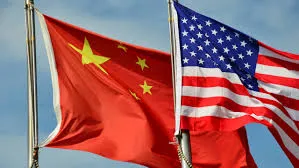
The relationship between the United States and China has become increasingly tense in recent years, with experts warning that the rivalry between the world’s two largest economies could shape the future of global politics, technology, and trade.
Once closely connected through business and international cooperation, the two superpowers are now competing aggressively in multiple areas including military strength, artificial intelligence, global influence, and economic dominance.
One major source of tension is trade. The United States has repeatedly accused China of unfair business practices, intellectual property theft, and manipulating global markets. In response, both countries imposed heavy tariffs on imported goods over the past several years, affecting businesses and consumers worldwide.
Technology has also become a major battlefield. The U.S. government has restricted several Chinese technology companies from operating freely in America, citing national security concerns. Meanwhile, China continues investing heavily in artificial intelligence, semiconductor production, and advanced digital infrastructure to compete with American technological dominance.
Another major issue is Taiwan. China views Taiwan as part of its territory, while the United States maintains close unofficial ties with the island. Whenever American officials visit Taiwan or provide military support, tensions between Washington and Beijing intensify. Military exercises in the region often raise fears of possible conflict.
The South China Sea remains another hotspot. China has expanded its military presence in disputed waters claimed by multiple Asian countries. The United States frequently sends naval forces into the region to challenge China’s territorial claims and demonstrate support for freedom of navigation.
The rivalry is not only military or economic — it is also ideological. American leaders often criticize China over human rights concerns, internet censorship, and authoritarian governance. Chinese officials, meanwhile, accuse the United States of attempting to contain China’s rise and interfere in its internal affairs.
Despite these tensions, the two countries remain deeply connected economically. China and the United States continue to rely on each other for trade, manufacturing, and global supply chains. Because of this interdependence, many experts believe a direct conflict would severely damage the global economy.
The growing competition between the U.S. and China affects not only their own citizens but the entire world. From rising prices and technology restrictions to international diplomacy and military alliances, many countries are being forced to navigate carefully between the two global powers.
As both nations continue competing for influence, the future of global politics may depend on whether the United States and China can manage their rivalry peacefully — or whether tensions will continue escalating in the years ahead.
Arah |